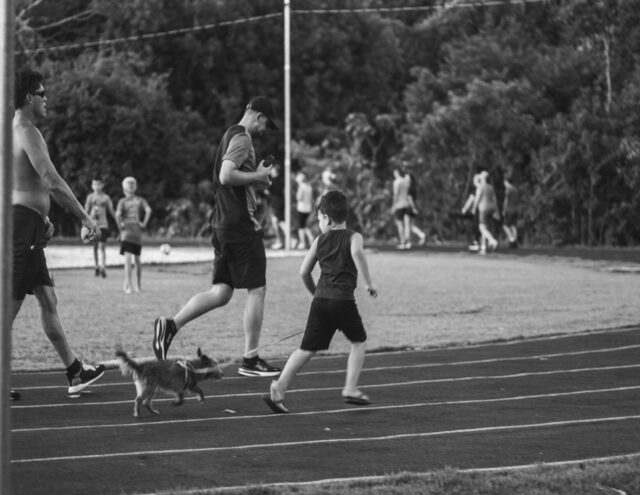
Does your child start coughing or getting short of breath during sports or play?
It’s easy to assume they’re just “out of shape”—but it may actually be exercise-induced asthma.
What Is Exercise-Induced Asthma?
Exercise-induced asthma (also called exercise-induced bronchoconstriction) happens when airways tighten during or after physical activity.
It can occur:
- In children with known asthma
- Or as the first sign of asthma
Common Symptoms to Watch For
- Coughing during or after exercise
- Shortness of breath
- Chest tightness
- Wheezing
- Fatigue earlier than expected
👉 Symptoms often appear 5–10 minutes into activity or shortly after stopping.
Why Does Exercise Trigger Symptoms?
During exercise:
- Breathing becomes faster
- Air entering the lungs is cooler and drier
This can irritate sensitive airways and lead to narrowing.
Is It Safe for Kids to Exercise?
Yes—and it’s encouraged.
👉 With proper treatment, children with asthma should be able to:
- Play sports
- Run and stay active
- Keep up with their peers
Avoiding activity is not the goal.
How Is It Managed?
Treatment may include:
- Using a rescue inhaler before exercise
- Daily controller medications (if needed)
- Warming up before activity
- Identifying triggers (cold air, allergies)
Common Mistake
Some children are told to “take it easy” instead of addressing the underlying issue.
👉 Proper management allows kids to stay fully active.
When Should You Get Your Child Evaluated?
- Symptoms happen regularly with exercise
- Your child avoids activity
- Coaches or teachers notice breathing issues
- Inhaler is needed frequently
Bottom Line
Exercise-induced asthma is common—but very manageable.
With the right plan, your child can stay active and confident.
👉 If your child has symptoms during exercise, schedule an evaluation at Texas Lung & Sleep.